
In the competitive fashion industry, small brands often struggle to distinguish themselves from larger labels with bigger budgets. One of the most effective ways to stand out is through custom fabric designs, which allow designers to translate their vision directly onto the material, creating clothing that truly represents their brand identity. Custom fabrics offer flexibility, vibrancy, and creative freedom that generic textiles simply cannot match. Many small fashion brands are now turning to the best dtf transfers to produce high-quality prints that retain color and detail across a variety of fabrics, from cotton to synthetics. These solutions provide an affordable and practical way to bring creative ideas to life, enhancing brand appeal and customer engagement.
Strengthening Brand Identity
 Custom fabric designs give small fashion brands a visual signature that helps them differentiate in a crowded market. By integrating logos, patterns, or original graphics directly into the fabric, designers can communicate their brand’s story in every piece. Consistent use of distinctive designs builds recognition among consumers and reinforces a brand’s personality. This advantage is especially important for startups and emerging labels seeking to establish a loyal customer base. A well-executed fabric design allows small brands to showcase creativity while maintaining a professional appearance, making their products more memorable and marketable.
Enhancing Product Quality and Perception
High-quality fabric designs can elevate the perceived value of garments. Customers are willing to pay more for clothing that appears exclusive, visually appealing, and durable. Custom fabrics often indicate attention to detail and commitment to quality, which can improve a brand’s reputation. Techniques such as high-resolution digital printing or transfer-based methods ensure that patterns and colors remain vivid and intact after multiple washes. For small fashion brands, producing visually impressive and well-finished garments helps establish trust with customers and supports higher pricing strategies. This perceived quality is essential for competing against mass-produced fashion items.
Cost-Effective Small Batch Production
Small fashion brands often operate with limited budgets, making cost-efficiency critical. Custom fabric designs, especially those produced using modern transfer methods, allow for small batch production without excessive material waste. By ordering only what is needed for specific collections or limited editions, brands reduce storage costs and avoid overproduction. Additionally, these methods simplify the printing process, minimizing labor and setup expenses. Cost-effective production means small brands can allocate resources to marketing, design development, or customer engagement, which are essential for building visibility and sustainable growth.
Supporting Creativity and Innovation
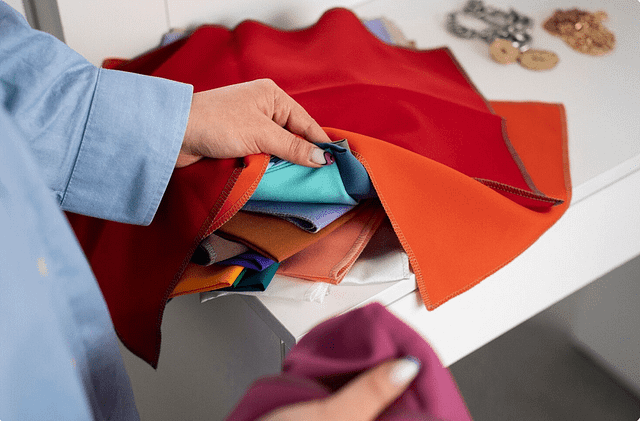
Custom fabrics enable designers to explore unconventional patterns, intricate details, and vibrant color combinations that standard fabrics do not offer. Small brands benefit from this creative freedom, as it allows them to experiment with limited runs or seasonal collections without large-scale production constraints. Designers can quickly test concepts, adjust motifs, or produce themed lines that reflect current trends or cultural influences. This flexibility fosters innovation and encourages brands to develop signature collections that attract niche markets, which can be particularly advantageous for startups seeking to differentiate themselves from mainstream fashion labels.
Increasing Customer Engagement and Loyalty
Consumers increasingly seek products that reflect personal style and creativity. Offering garments made with custom fabrics allows small brands to provide exclusive and personalized options that appeal to this demand. Unique designs and vibrant prints can generate social media interest, word-of-mouth promotion, and repeat purchases. By presenting collections that feel distinctive and carefully curated, brands foster emotional connections with customers, encouraging loyalty and long-term relationships. Engaged customers are more likely to advocate for a brand, increasing reach and contributing to steady growth for small fashion businesses.
Custom fabric designs deliver significant advantages for small fashion brands, from reinforcing brand identity to enhancing product quality and supporting creative innovation. They also allow cost-effective production and strengthen customer engagement, helping startups compete with larger labels without large-scale infrastructure. By embracing custom fabrics, small brands can create visually appealing and memorable collections that resonate with their target audience, improve market presence, and drive business growth in a competitive fashion landscape.